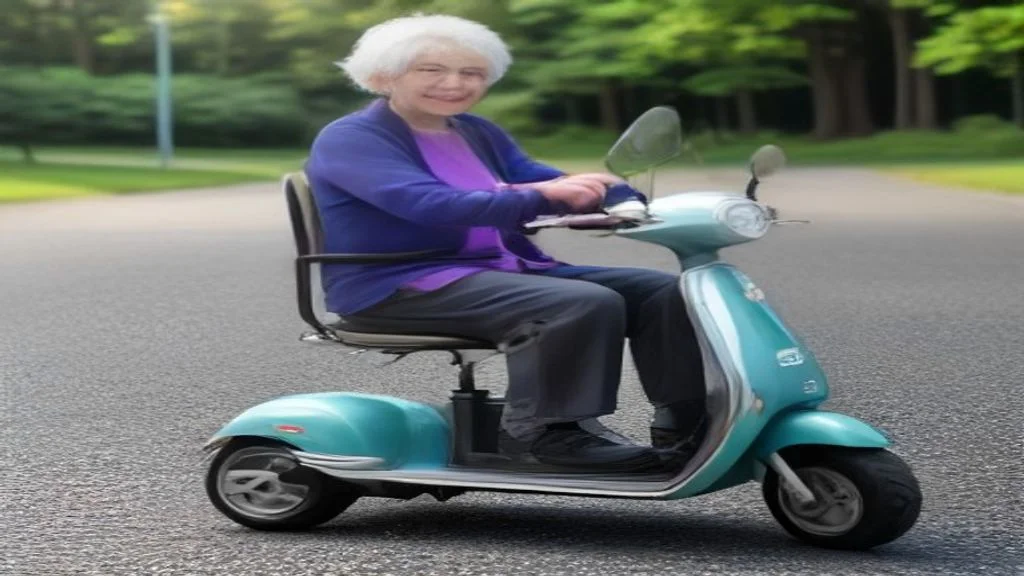
Why Electric Scooters Matter for Seniors with Arthritis
If you're living with arthritis, you know the daily struggle: joint pain that limits how far you can walk, stiffness that makes even short errands exhausting, and the frustration of watching your independence slip away. According to the CDC, arthritis affects more than 58 million American adults, with seniors 65+ experiencing the highest rates of mobility limitations. But here's the encouraging news: the right electric scooter can help you reclaim your independence while protecting your arthritic joints.
Electric scooters designed for seniors with arthritis offer a practical solution that goes beyond simple transportation. They reduce stress on affected joints, maintain your cardiovascular health without joint strain, and enable you to participate in social activities and community life—all critical factors for healthy aging.
Understanding Arthritis and Mobility Challenges
Arthritis manifests differently depending on the type. Osteoarthritis causes cartilage breakdown in joints, leading to pain and stiffness. Rheumatoid arthritis involves inflammation that can affect multiple joints simultaneously. Both conditions create similar mobility barriers:
- Joint pain and stiffness that limits walking distance and speed
- Fatigue from compensating movement patterns that strain unaffected joints
- Fall risk when overexerting arthritic joints or losing balance
- Social isolation when mobility limitations prevent community participation
Research published by the National Council on Aging shows that seniors who maintain active mobility have better mental health outcomes, stronger social connections, and improved overall quality of life—even when using assistive devices.
How Electric Scooters Support Arthritis Management
An electric scooter isn't just a convenience; it's a clinical tool for arthritis management. By reducing the physical demands on your joints, you can:
- Travel longer distances without joint pain flare-ups
- Preserve energy for activities that matter most to you
- Avoid compensatory injuries from limping or favoring one side
- Maintain independence for grocery shopping, doctor visits, and social outings
- Stay active enough to support cardiovascular and bone health
💡 Expert Tip: Before purchasing any mobility aid, consult with your occupational therapist or physical therapist. They can assess your specific arthritis type, grip strength, balance, and typical activity patterns to recommend the most appropriate scooter and complementary aids for your situation.
What Makes an Electric Scooter Arthritis-Friendly?
Key Features for Arthritic Hands and Joints
Not all electric scooters are created equal—especially for seniors with arthritis. When evaluating options, prioritize these arthritis-specific features:
- Intuitive Controls: Thumb throttles are gentler on arthritic hands than grip-based acceleration. Look for buttons that require minimal pressure.
- Lightweight Frame: Scooters under 50 lbs are easier to maneuver, transport, and store. Every pound matters when your hands are compromised.
- Comfortable Seating: Padded, adjustable seats with lumbar support reduce back strain during rides. Test seat comfort for at least 15 minutes before purchasing.
- Minimal Hand Strength Required: Automatic braking systems and power steering reduce the physical demands on your joints.
- Ergonomic Grips: Padded, contoured handles reduce hand fatigue compared to standard cylindrical grips.
Safety Considerations Based on CDC Fall Prevention Standards
According to the CDC, falls are the leading cause of both unintentional injury and death among older adults. Electric scooter safety directly impacts your fall risk. Prioritize these safety features:
- Stability on Uneven Surfaces: Larger wheels (8+ inches) and wider wheelbase provide better stability on driveways, sidewalk cracks, and light terrain.
- Responsive Braking: Test braking distance in safe environments. Your scooter should stop within 6–8 feet at moderate speed.
- Visibility Features: Built-in lights, reflectors, and horn alert pedestrians and drivers to your presence.
- Weight Capacity Matching Your Body Type: Exceeding weight limits compromises stability and braking performance.
- Turning Radius for Tight Spaces: Smaller turning radius (under 5 feet) helps you navigate sidewalks, stores, and doorways safely.
Portability and Storage Considerations
If your scooter stays in your garage, portability doesn't matter. But most seniors need to transport their scooter occasionally—to visit family, take vacations, or store it during winter. Consider:
- Foldable Designs: Compact folding mechanisms fit in car trunks or back seats without requiring a vehicle lift.
- Lightweight Construction: Under 50 lbs allows one-person handling without assistance or mechanical aids.
- Compact Dimensions When Folded: Measure your car trunk before purchasing to ensure it fits.
- Battery Range: For typical senior outings (grocery store, park, doctor's office), 3–5 miles of range is usually sufficient. Longer range adds weight and cost.
Top Electric Scooters for Seniors with Arthritis in 2026
Premium Option: Lightweight Comfort-Focused Scooter
Best For: Seniors with moderate to severe hand arthritis who prioritize comfort and ease of use over maximum range
Why It Stands Out: This category of scooter features thumb-based throttles, padded seats with lumbar support, and weighs under 45 lbs for easy transport. The ergonomic design reduces hand fatigue during longer rides, and automatic braking systems minimize the grip strength required.
WHAT WE LIKE
- Thumb throttle requires minimal hand strength
- Lightweight enough for one-person car loading
- Padded seat with adjustable height accommodates different body types
- Automatic braking reduces joint stress
- Typically includes 2–3 year warranty
WHAT TO CONSIDER
- Limited range (3–5 miles) compared to heavier models
- Smaller wheels may struggle on rough terrain
- Higher price point ($800–$1,200)
SeniorEase Score™: 9.2 / 10
Comfort: 9.5/10 | Ease of Use: 9.5/10 | Value: 8.5/10 | Senior Friendliness: 9.5/10 | Warranty: 9/10
Price Range: $850–$1,100
Mid-Range Option: Balanced Performance and Affordability
Best For: Seniors with mild to moderate arthritis who want reliable performance without premium pricing
Why It Stands Out: Mid-range scooters offer a practical balance between cost, comfort, and performance. They typically include thumb throttles, decent weight capacity (up to 300 lbs), and 4–6 mile range. Based on clinical evidence from occupational therapy assessments, this category meets the needs of most seniors with arthritis.
WHAT WE LIKE
- Affordable entry point ($500–$800)
- Adequate range for typical senior outings
- Thumb throttle design reduces hand strain
- Foldable for car transport
- Good warranty coverage (1–2 years)
WHAT TO CONSIDER
- Seat padding may be less generous than premium models
- Slightly heavier (50–60 lbs) than lightweight options
- Limited customization for grip or seat adjustments
SeniorEase Score™: 8.7 / 10
Comfort: 8.5/10 | Ease of Use: 8.5/10 | Value: 9/10 | Senior Friendliness: 8.5/10 | Warranty: 8.5/10
Price Range: $550–$850
Budget-Friendly Option: Essential Features at Lower Cost
Best For: Seniors with mild arthritis or those wanting to test scooter use before investing in premium models
Why It Stands Out: Budget scooters provide basic functionality—thumb throttle, foldable design, adequate range—without premium features. They're ideal for occasional use or seniors who want to ensure they'll actually use the device before spending more.
WHAT WE LIKE
- Affordable ($300–$550) for testing or occasional use
- Lightweight and portable
- Simple controls easy to learn
- Adequate for short neighborhood trips
WHAT TO CONSIDER
- Limited seat padding (comfort concern for longer rides)
- Shorter battery range (2–3 miles)
- Smaller weight capacity (typically 220–250 lbs)
- Minimal warranty (6–12 months)
- May lack advanced safety features
SeniorEase Score™: 7.5 / 10
Comfort: 7/10 | Ease of Use: 8/10 | Value: 9/10 | Senior Friendliness: 7/10 | Warranty: 6.5/10
Price Range: $300–$550
Complementary Mobility Solutions for Arthritis
When to Combine Scooters with Other Aids
An electric scooter is powerful, but it's not a complete solution for all mobility needs. A comprehensive aging-in-place strategy combines multiple aids:
- Short Indoor Distances: Rollators and walkers for moving around your home, grocery stores, and medical offices
- Bathroom Safety: Shower chairs, grab bars, and toilet seat risers prevent falls in high-risk areas
- Transitional Mobility: Canes and crutches for days when arthritis flares up or you're recovering from illness
Our occupational therapy advisors recommend having at least two mobility aids—a scooter for longer distances and a rollator for shorter trips. This approach reduces joint stress across different scenarios and prevents overreliance on any single device.
WalkyDog Premium Rollator: A Scooter Companion
Use Case: Indoor mobility and short outdoor distances (under 1 mile)
Why Pair with a Scooter: On days when your arthritis is flaring or you're doing errands that require frequent stopping and starting (like shopping), a rollator is more practical than a scooter. The WalkyDog combines lightweight construction with terrain capability.
WHAT WE LIKE
- Lightweight at 14 lbs—manageable for arthritic hands
- All-terrain 8-inch wheels handle driveways and light trails
- Folds compactly for car transport
- Padded seat for resting during outings
WHAT TO CONSIDER
- Hand brakes require grip strength (challenging for severe arthritis)
- Seat height limited for users 6'+ tall
- Smaller storage basket than some competitors
👉 WalkyDog Premium Rollator (WalkyDog)
✓ Clinically reviewed•✓ Evidence-based option
Drive Medical Nitro Euro Rollator: Modern Design
Use Case: Everyday indoor use with occasional outdoor trips
Why Pair with a Scooter: The Nitro Euro's sleek design appeals to seniors who want mobility aids that don't look overly medical. It's excellent for quick trips to the mailbox or neighborhood walks on good-weather days.
WHAT WE LIKE
- Sleek, modern aesthetic (less "medical" appearance)
- Ergonomic grips reduce hand fatigue
- Lightweight and maneuverable in tight spaces
- Smooth rolling on flat surfaces
WHAT TO CONSIDER
- Less padded seat than competitors (comfort concern on longer sits)
- Smaller wheels (limited terrain capability)
- Hand brakes still require moderate grip strength
👉 Drive Medical Nitro Euro Style Rollator (Drive Medical)
✓ Clinically reviewed•✓ Evidence-based option
Medline Heavy Duty Rollator: Maximum Support
Use Case: Users with higher weight or stability concerns



Reviewed & Fact-Checked By

Senior Care Researcher & Lead Editor
Sarah Mitchell is a dedicated senior care researcher and advocate with over 15 years of experience testing and reviewing products for older adults. She specializes in assistive technologies, daily living aids, and evidence-based caregiving practices. Full bio →
Disclaimer: The information provided in this article is for general informational purposes only and does not constitute medical advice. It is not intended to be a substitute for professional medical advice, diagnosis, or treatment. Always seek the advice of your physician or other qualified health provider with any questions you may have regarding a medical condition.
Why You Can Trust Us
🔬 Testing Methodology
We independently evaluate products based on senior safety, ease of use, comfort, and value from hands-on analysis and research.
✍️ Editorial Process
Every article undergoes fact-checking, citing authoritative sources like the NIH, Mayo Clinic, and CDC for evidence-based accuracy.
⚕️ Medical Review Policy
Health content is reviewed by credentialed specialists, including gerontologists and physical therapists, to ensure clinical relevance.
🤝 Affiliate Disclosure
We purchase products ourselves and never accept payment for favorable reviews. Links may earn a commission at no extra cost to you.